

Some kids juggle medical needs, therapies and surgeries, and some are working years below grade level. An 8th grader may still be doing kindergarten or first-grade math, and a traditional diploma may not be the goal. That’s a different kind of homeschooling, and it’s okay for your goals to look different too.
Our daughter has complex medical needs, and this page gathers what has helped us: how we adapt her curriculum, therapy at home, homeschooling through hard medical seasons, and encouragement for you. It’s part of my special needs homeschooling hub.
Disclosure: Some of the links on this page are affiliate links, which means I may earn a small commission if you make a purchase through them, at no extra cost to you. I only recommend resources I’ve personally used and trust.
I’m a homeschool mom sharing what has worked for our family, not a doctor, therapist or lawyer. Please talk with your child’s doctors and specialists about medical, therapy and diagnosis decisions.
Start Here
Adapting Curriculum Year By Year
I’ve shared how we adapt curriculum for our daughter with special needs every year since 4th grade, including how we handled a report of over 50 adaptations her doctors recommended.
Her earlier years, so you can see how the plan changed over time:
Wondering about math? Here’s why I love Teaching Textbooks for my special needs students.
Therapy And Everyday Tools
🧺 Everyday life skills
Gentle printables for real-world skills, from my shop.
🤸 Therapy at home
We turned her PT and OT printouts into a “menu” she can grab and do on her own.
👂 Hearing loss & auditory processing
Tips, tools and resources for kids who struggle to hear.
Homeschooling On The Go
Therapy and appointment days mean a lot of time in the car and in waiting rooms. Here’s how we keep learning on the go.
Printables That Help
A symptom tracker for appointments, truth cards to remind your child who they are and Who holds them through hard things, and a little encouragement for you, mom.
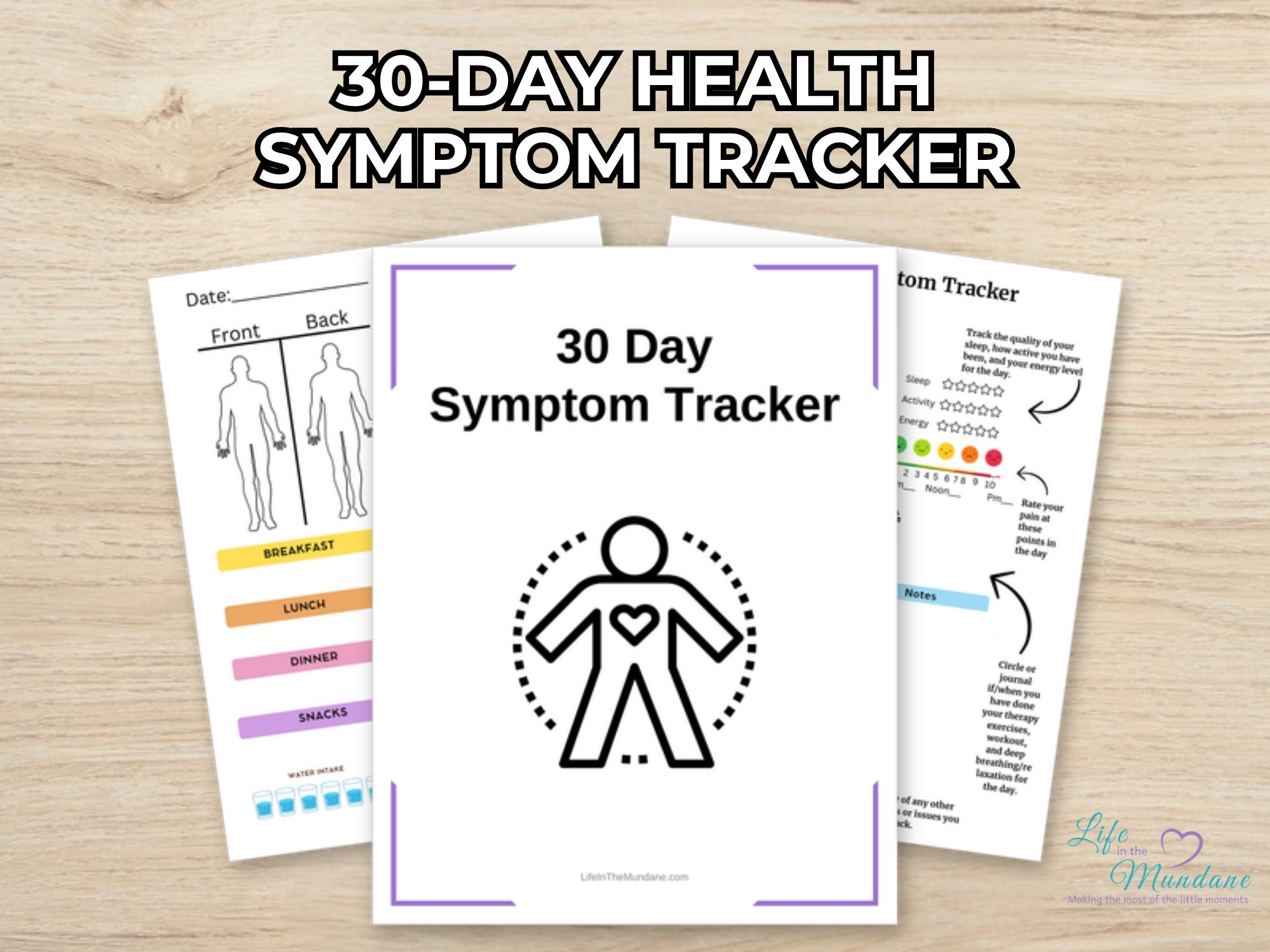
30-Day Health Symptoms Tracker for Special Needs Kids
A 30-day tracker for sleep, pain, and other symptoms, made for kids with complex medical needs.
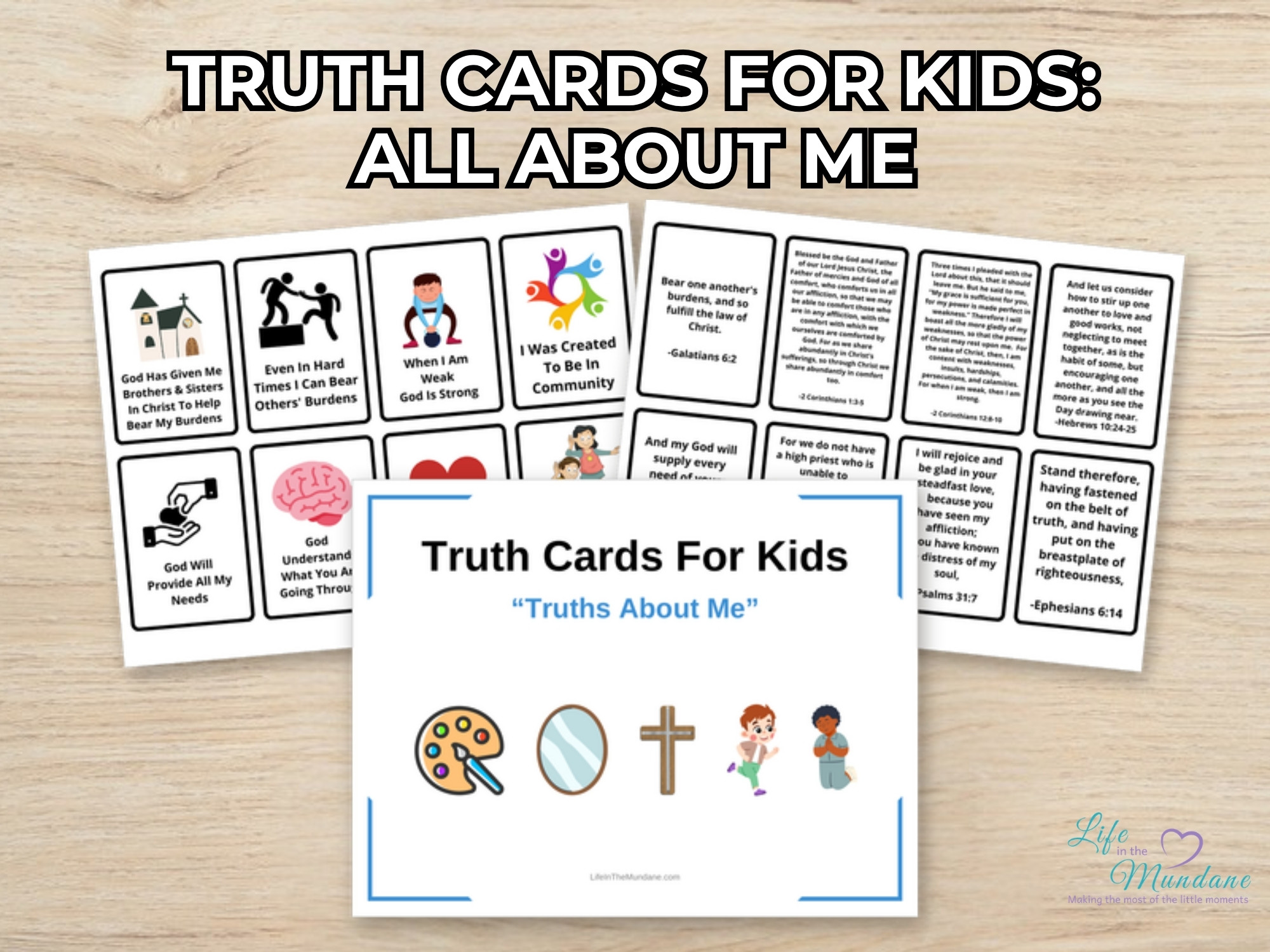
Biblical Truths for Kids: All About Me Card Pack
16 “All About Me” truth cards, each paired with an ESV verse, to anchor kids in what God says about them.
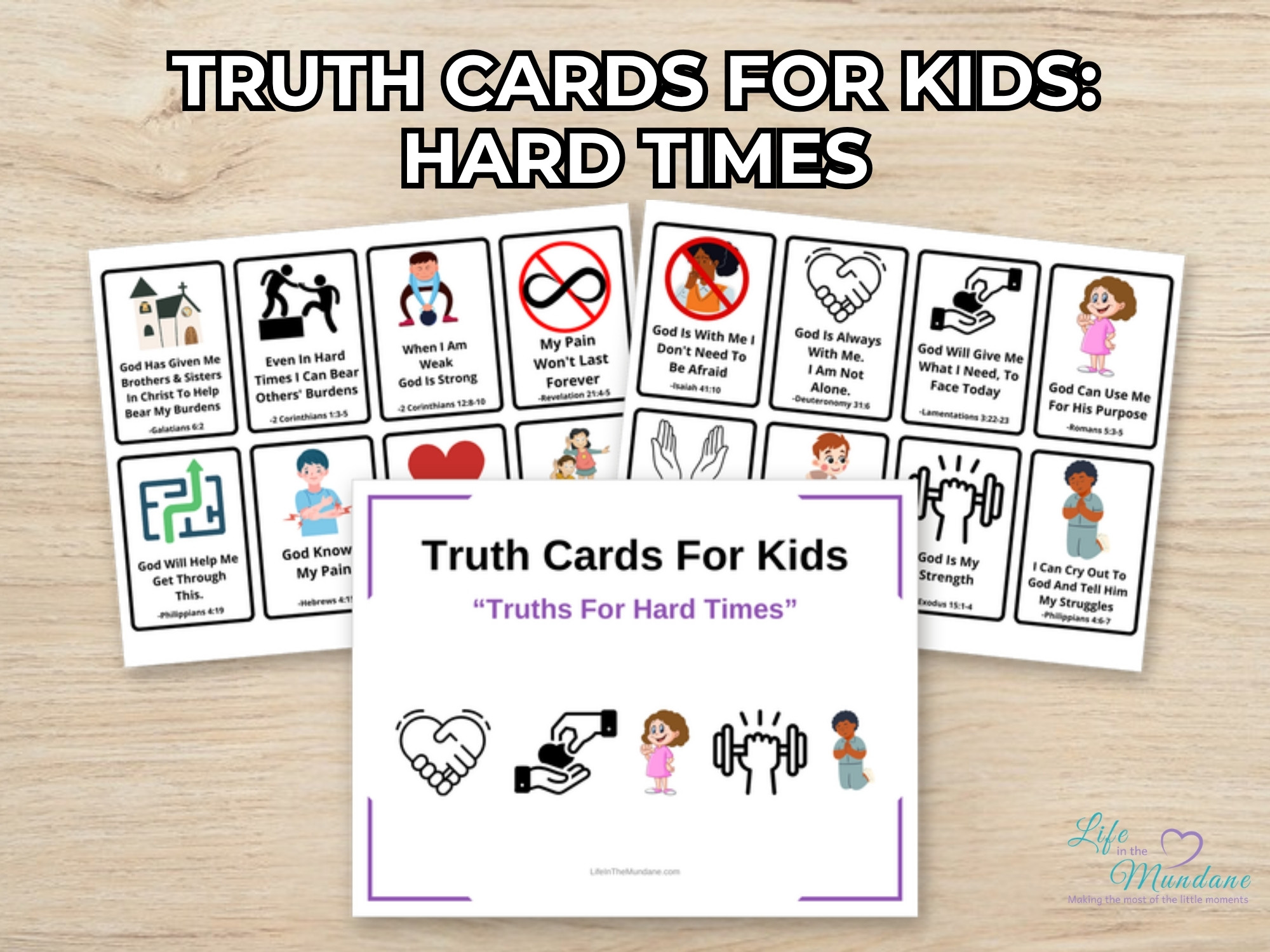
Biblical Truths for Kids: Hard Times Card Pack
16 Bible truth cards, each paired with an ESV verse, to help kids stand on God’s Word through hard times.
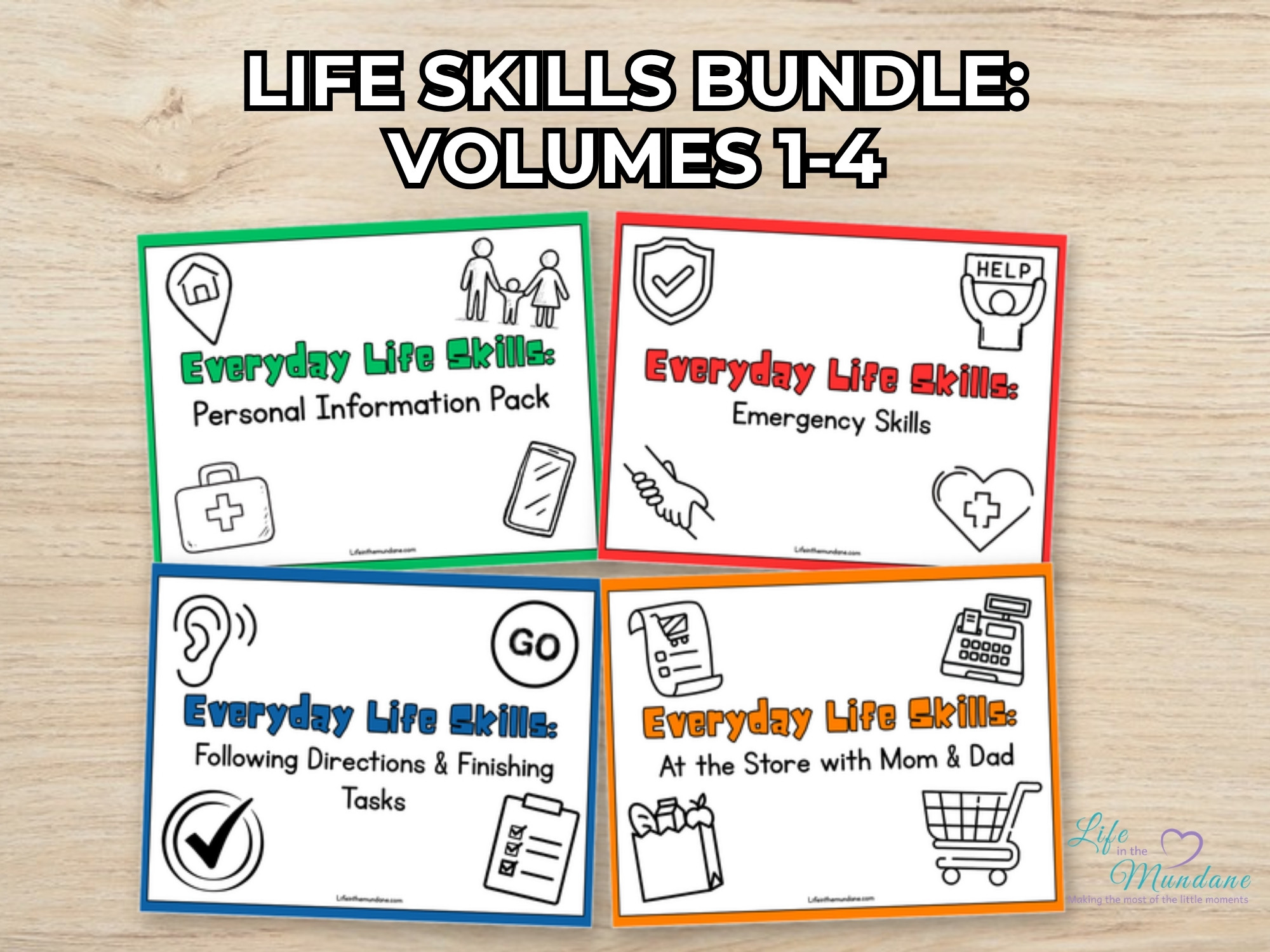
Everyday Life Skills Bundle: Volumes 1-4
Save $9 compared with buying the four volumes separately.
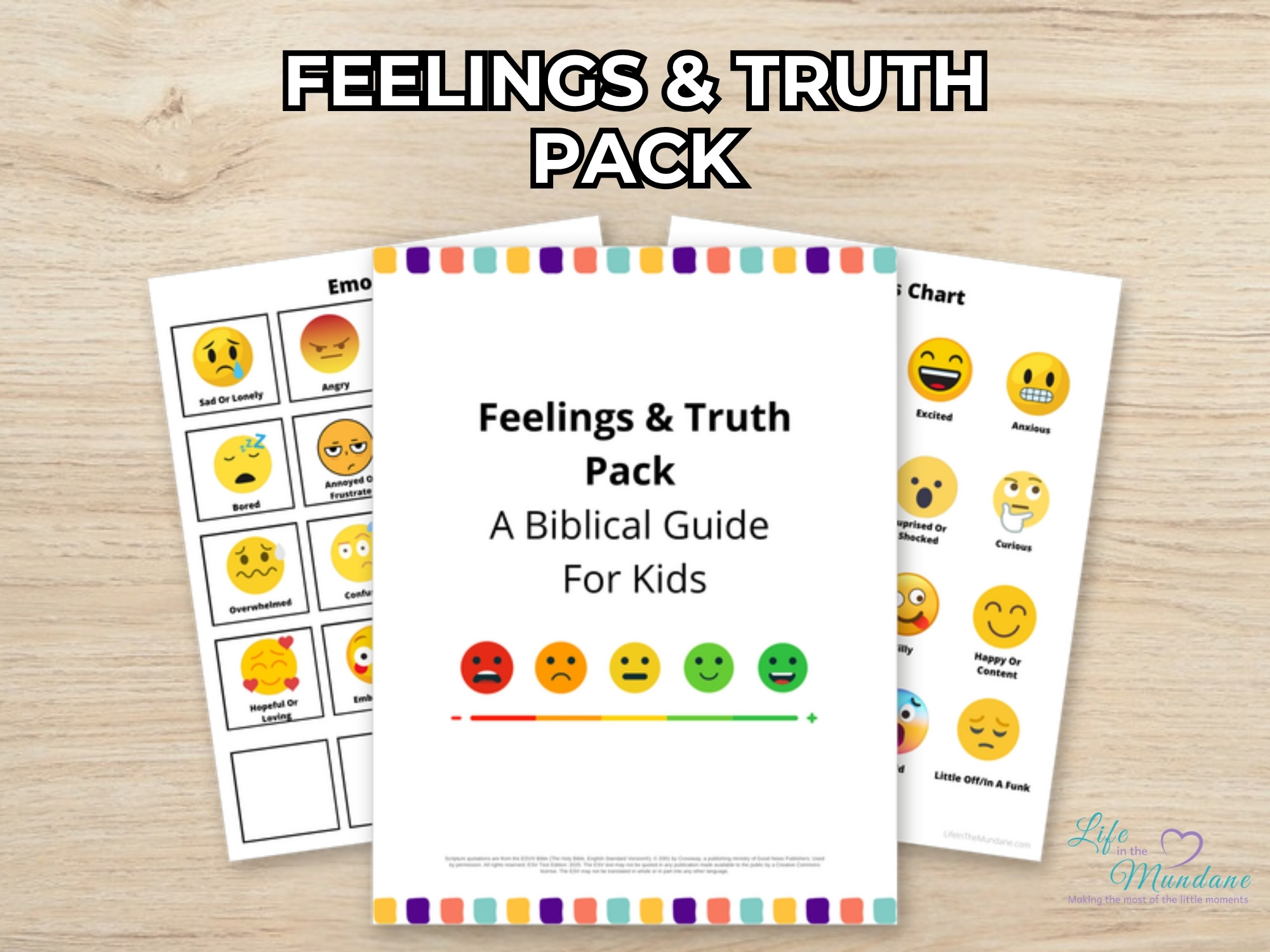
Feelings & Truth Pack: A Biblical Guide For Kids
Charts and tools that help kids name their feelings and answer them with truth from God’s Word.
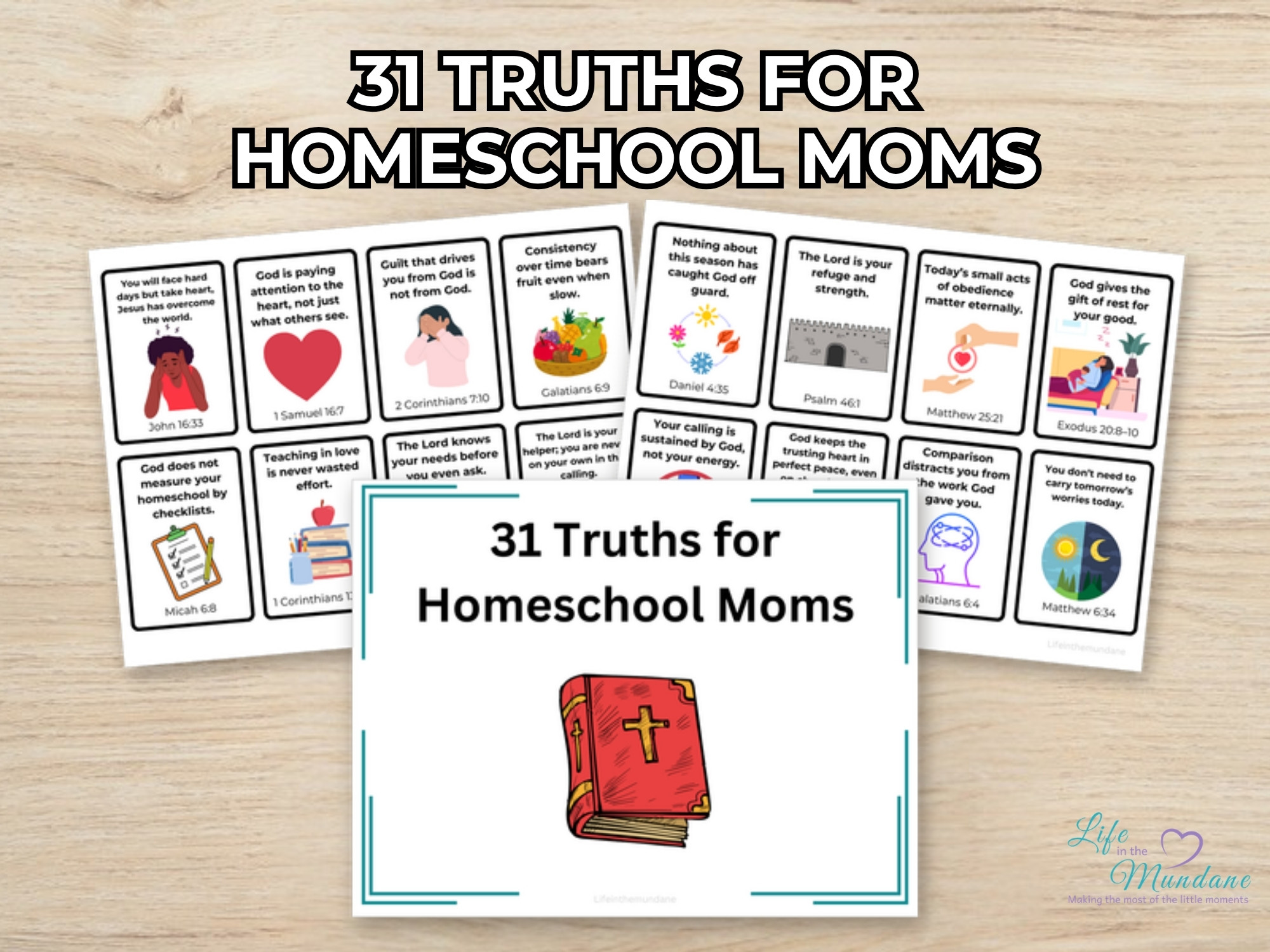
31 Truths For Homeschool Moms
31 Scripture-based encouragement cards for homeschool moms, one for each day of the month, each pairing a Bible verse with a short reflection.
Your Questions
How do you set goals when your child is years behind grade level?
It really depends on the child. But in our house we say it all day long: practice makes progress, not perfection.
You can’t set goals until you know where your child is right now, today, and you can’t make someone else’s benchmark your goal. Track where they are, whether that’s a reading level, a behavior, or how often they need to be redirected.
For example, if your child needs about 50 redirections in a 30-minute math lesson, write it down. Put some tools in place, and halfway through the year you may see 35. That still feels like a lot, but because you know where you started, you can see the progress, and that’s so encouraging.
I set monthly goals for all my kids. For my kids with significant special needs, I often just write down where they started and where they ended the month, then ask: can we do that again, or beat it a little? Micro goals instead of macro goals.
Don’t get so focused on reaching grade level that you hurt your child in the process. If a child is behind because a school failed them, or because of a season where you weren’t as diligent, it may be appropriate to double up lessons; a lot can be learned quickly with maturity and buy-in. But understanding the material is the real goal.
It will take the time it takes, and that’s okay. You can extend school, do school over the summer, or graduate a little later. Keep your main goal, educating your child well, ahead of made-up benchmarks.
What does high school and graduation look like for a child who won’t get a traditional diploma?
We’re honestly still learning this. So far, my other kids with special needs are on track for a traditional diploma, with adaptations we’re figuring out along the way, and I share those as we learn them.
But one of our kids will never get a traditional diploma. They’re in the borderline intellectual disability range and won’t complete anywhere near the grade-level work a diploma requires, so they’ll receive a certificate of completion instead.
That doesn’t make it any less of an accomplishment, or mean we care less about their schooling. We focus much more on life skills. And we’ll mark that milestone when they’re ready: not at 18, and not when a list of grades is done. I’ll share more as we go.
If you’re putting together a transcript for a child with special needs, HSLDA has a helpful guide: tips for completing a special needs transcript (with samples).
How do you keep homeschooling through medical seasons, like surgeries, flare-ups and appointments?
With a lot of grace and a lot of creativity.
- Lean on audio and video resources when sitting at the table isn’t possible.
- Keep lessons short and consistent. Even 5 to 10 minutes before you walk out the door for an appointment is good.
When a body is in a flare-up, it’s harder to absorb information. If that’s your normal, you’ll have to work through it to some extent, and it will look different for every child.
Listen: Podcast Interviews

Practical Tips For Homeschooling Kids With Medical Needs
I joined Amy Sloan on her Homeschool Conversations podcast at Humility and Doxology to talk about flexible schedules, social and emotional health, adapting for mobility limits and chronic pain, setting realistic goals, caring for yourself and supporting siblings.
Real Life In Hard Medical Seasons
These are raw and honest updates from our hardest seasons. My hope is that they help you feel a little less alone.
More Special Needs Help
- All Special Needs HelpWhere I’d start, the questions moms ask me most, everyday tools and curriculum.
- AutismThe questions moms are afraid to ask, the early years, tools that help and adapting high school.
- ADHD & Easily Distracted LearnersMovement, timers and visual schedules, and how to actually use them, plus help for ADHD moms.
- Dyslexia & Struggling ReadersReading curriculum, everyday tools, when to start adapting, note-taking and testing.